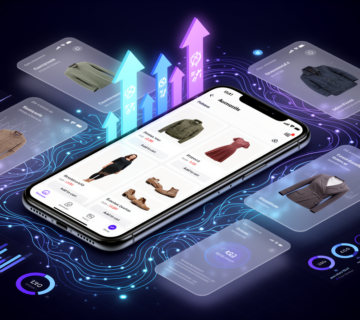


AI-powered ecommerce refers to the integration of artificial intelligence technologies—such as machine learning, natural language processing, and predictive analytics—into online retail platforms to automate operations, personalize customer experiences, and optimize sales performance across every stage of the buyer journey.
Picture this: You’re browsing an online store at 2 a.m. in your pajamas (no judgment—we’ve all been there), and somehow the website seems to *know* what you’re looking for before you even type it in. That hoodie you almost bought last week? It’s suddenly featured in a “just for you” section. The chatbot that pops up doesn’t sound like a robot having an existential crisis—it actually answers your sizing question like a helpful human. And when you’re about to check out, it suggests the *perfect* matching sneakers that you didn’t know existed but now absolutely need.
Welcome to the world of ai-powered ecommerce, where shopping online has transformed from a digital catalog into an intelligent, adaptive experience. This isn’t science fiction or some distant future scenario—it’s happening right now, reshaping how brands sell and how we shop.
If you’re running an online store in 2026 without some form of AI integration, you’re basically bringing a flip phone to a smartphone convention. Let’s break down what’s actually happening behind the curtain and why this technology shift matters more than ever.
What Makes AI-Powered Ecommerce Different From Traditional Online Retail
Traditional ecommerce was basically a digital version of a catalog. You searched, you scrolled, you maybe found what you wanted. The experience was the same for everyone—a one-size-fits-all approach that ignored the fact that your 65-year-old dad and your Gen Z niece probably don’t want the same shopping experience.
AI-powered ecommerce flips that script entirely. Instead of static pages and manual processes, AI creates dynamic, personalized experiences that adapt in real-time based on individual behavior, preferences, and even browsing patterns you didn’t realize you had.
The Core Differences at a Glance
- Personalization: AI analyzes thousands of data points to tailor product recommendations, messaging, and even page layouts to individual shoppers
- Predictive intelligence: Machine learning algorithms forecast what customers want before they search for it, reducing friction in the buying process
- Automation: Routine tasks like inventory management, pricing adjustments, and customer service inquiries get handled without human intervention
- Continuous learning: The system gets smarter over time, improving accuracy and effectiveness with each interaction
Here’s the thing most people miss: AI in ecommerce isn’t just about the flashy customer-facing stuff. Sure, personalized product recommendations are cool, but the real power happens behind teh scenes—optimizing supply chains, predicting demand patterns, and preventing those “sorry, we’re out of stock” moments that make customers abandon their carts faster than you can say “conversion rate.”
For deeper context on how artificial intelligence is transforming retail technology, Shopify’s guide to AI in ecommerce offers additional perspectives worth exploring.
Why AI Has Become Non-Negotiable for Online Retailers
Let’s pause for a sec and talk about why this matters beyond the “cool factor.” The shift to AI isn’t happening because tech companies need something new to sell—it’s happening because customer expectations have fundamentally changed.
Modern shoppers expect Amazon-level experiences everywhere they go. They want instant answers, personalized suggestions, and seamless transactions. Delivering that manually? Impossible at scale. That’s where AI becomes your competitive moat rather than just a nice-to-have feature.
The Business Impact Nobody’s Ignoring
Customer experience transformation: AI creates the kind of frictionless shopping journey that turns first-time visitors into repeat customers. When someone feels understood by your store, they’re gonna come back.
Revenue optimization: Those ai upsell tools ecommerce platforms are deploying? They’re not just randomly suggesting products. They’re analyzing purchase patterns, cart contents, and browsing behavior to recommend items customers actually want—increasing average order values without feeling pushy.
Operational efficiency: AI handles the repetitive, time-consuming tasks that used to eat up your team’s bandwidth. Inventory forecasting, dynamic pricing, customer service queries—all automated, all accurate, all freeing up humans for strategic work that actually requires creativity and judgment.
Competitive survival: Here’s the uncomfortable truth—your competitors are already using this technology. The barrier to entry has dropped dramatically with platform-native AI features and plug-and-play solutions. Waiting on the sidelines means falling behind in an increasingly tight race.
Want to see specific examples of how this plays out in the fashion space? Check out AI Applications in Ecommerce: Real Use Cases for Shopify Fashion Brands for concrete implementation strategies.
How AI-Powered Ecommerce Actually Works (Without the Tech Jargon)
Alright, let’s demystify this. When we talk about AI in online retail, we’re really talking about several technologies working together—not some sentient computer making all the decisions.
The Technology Stack Behind the Magic
Machine learning algorithms analyze historical data—past purchases, browsing patterns, abandoned carts—to identify patterns humans would never spot. Think of it as having a data analyst who never sleeps, never takes breaks, and processes millions of transactions simultaneously.
Natural language processing powers those chatbots and virtual assistants that actually understand what customers are asking. No more “I’m sorry, I didn’t understand that” frustration loops. Modern AI can interpret context, slang, and even typos to deliver relevant responses.
Predictive analytics forecast future behavior based on current trends. This is what tells you to stock up on winter coats in September or suggests that customers who buy running shoes often return for compression socks three weeks later.
Computer vision enables visual search capabilities—customers can upload a photo of something they like and find similar products in your catalog. It’s like reverse image search, but for shopping.
Real-World Application: The Customer Journey
Let’s walk through what this looks like in practice. A visitor lands on your site. Immediately, AI is analyzing:
- Their referral source (did they come from Instagram or Google?)
- Device type (mobile users behave differently than desktop shoppers)
- Time of day and geographic location
- Any previous interaction history with your brand
Based on that instant analysis, the page layout, featured products, and messaging adjust automatically. If it’s a returning customer who abandoned a cart last week, they might see a gentle reminder. If it’s a new visitor from a fashion blog, they’ll see trending styles instead of basic bestsellers.
As they browse, the AI continues learning. Which products did they linger on? What did they add to cart but not purchase? This information feeds back into the system, making future interactions even more relevant.
When they’re ready to check out, intelligent upsell tools suggest complementary items—not random products, but things statistically likely to interest *this specific customer* based on their behavior and similar shoppers’ patterns.
After purchase, the AI doesn’t clock out. It determines the optimal timing and content for follow-up emails, predicts when they might be ready for a repurchase, and flags any potential customer service issues before they escalate.
Common Myths About AI in Ecommerce (Let’s Clear These Up)
Despite AI becoming mainstream, some persistent misconceptions keep business owners hesitant. Let’s tackle the big ones head-on.
Myth #1: AI Is Only for Enterprise Retailers
Reality: The democratization of AI tools means even small Shopify stores can access sophisticated capabilities through apps and platform integrations. You don’t need a Silicon Valley budget or an in-house data science team anymore.
Third-party solutions plug directly into existing systems, providing enterprise-grade intelligence without enterprise-level complexity. The playing field has leveled considerably in the past few years.
Myth #2: AI Will Replace Human Customer Service
Reality: AI handles repetitive queries and routine transactions, but complex problems still need human empathy and judgment. Think of AI as handling the “Where’s my order?” questions so your team can focus on the customer who needs help styling an outfit for a wedding.
The best implementations use AI as a force multiplier for human expertise, not a replacement. Customers get faster responses to simple questions, and your team spends time on interactions that actually require a human touch.
Myth #3: Implementing AI Requires a Complete Platform Overhaul
Reality: Many AI capabilities now come baked into ecommerce platforms like Shopify and BigCommerce, or can be added through apps without touching your core infrastructure. The barrier to adoption has dropped dramatically.
You can start small—maybe with an AI-powered product recommendation engine—and expand as you see results. There’s no requirement to transform everything overnight.
Myth #4: AI Personalization Feels Creepy to Customers
Reality: When done right, personalization feels helpful rather than invasive. Customers have been trained by Netflix and Spotify to expect relevant recommendations. The key is transparency and value—if your suggestions genuinely help customers discover products they love, they appreciate the experience.
The “creepy” factor usually comes from poor implementation (showing someone an ad for something they literally just purchased) rather than personalization itself. Good AI avoids those awkward moments.
Real-World Applications Across Different Ecommerce Models
AI isn’t a one-size-fits-all solution—it adapts to different business models and use cases. Let’s look at how various types of online retailers are leveraging this technology.
B2C Fashion and Apparel
Fashion brands use AI for visual search (customers upload photos of outfits they like), size recommendation engines (reducing returns), and style personalization based on past purchases and browsing behavior. One clothing retailer might show bohemian dresses to a customer whose history suggests that aesthetic, while showing minimalist basics to another shopper—all from the same inventory.
Dynamic content generation creates unique product descriptions tailored to different customer segments. The same dress might be described as “perfect for brunch with friends” for one shopper and “transition seamlessly from office to evening” for another.
If you’re in the fashion space, Generative AI in E-Commerce: How Clothing Brands Use It to Scale Faster dives deeper into specific tactics that are working right now.
B2B Distribution and Wholesale
Business buyers have complex needs—bulk ordering, account-specific pricing, approval workflows. AI streamlines these processes by predicting reorder timing based on historical purchase patterns, suggesting frequently bought combinations, and automating the quote generation process.
For B2B platforms, AI also optimizes account management by identifying which customers might be at risk of churning or which accounts have growth potential based on industry trends and buying behavior.
Marketplace Operations
Multi-vendor marketplaces use AI to match buyers with the right sellers, optimize search results across thousands of vendors, and identify fraudulent activity or quality issues before they impact customer experience.
The recommendation engines on marketplaces are particularly sophisticated—they need to balance relevance for the buyer with fair exposure for sellers, all while maximizing platform revenue.
Direct-to-Consumer Brands
DTC brands leverage AI for customer lifetime value prediction, subscription optimization (determining the right timing for replenishment offers), and content creation at scale. A skincare brand might use AI to generate hundreds of personalized email variations based on purchase history, skin concerns mentioned in surveys, and browsing behavior.
These brands also use AI for inventory planning—critical when you’re managing production runs and can’t easily restock mid-season like a retailer buying from distributors.
The Evolution: From Rule-Based Systems to Generative AI
Here’s where things get interesting. The AI powering ecommerce today isn’t the same technology from five years ago. We’ve moved through distinct phases.
First-Generation: Rule-Based Recommendations
Early ecommerce “AI” was really just if-then logic. “If customer buys sneakers, show them socks.” Simple, predictable, and effective for basic applications but lacking nuance. These systems couldn’t adapt to individual preferences or unexpected patterns.
Second-Generation: Machine Learning Personalization
True machine learning brought pattern recognition that could identify complex relationships in data. Instead of manually programming rules, systems learned from behavior. This enabled collaborative filtering (“customers who bought X also bought Y”) and predictive recommendations that got smarter over time.
This generation of AI is what most ecommerce platforms currently use for core personalization features.
Third-Generation: Generative AI and Conversational Commerce
The latest wave—powered by technologies like large language models—creates content rather than just analyzing it. This means:
- AI writing product descriptions, marketing emails, and social media posts
- Conversational shopping assistants that can answer complex questions and guide purchase decisions through natural dialogue
- Dynamic image generation for product variations
- Hyper-personalized landing pages created on-the-fly for individual visitors
This shift is particularly relevant for those ai upsell tools ecommerce stores are adopting—modern solutions don’t just recommend products, they can explain *why* a particular item would be perfect for a customer in conversational, persuasive language tailored to that individual’s interests.
For a practical guide on leveraging this technology, see Generative AI in E-Commerce: Writing High-Converting Product Pages for actionable strategies.
Strategic Considerations: What Business Leaders Need to Know
If you’re making decisions about AI investment for your ecommerce operation, several strategic factors deserve attention beyond the technical capabilities.
Integration Versus Best-of-Breed
Should you rely on your platform’s native AI features or add specialized third-party tools? Platform-native solutions offer simplicity and seamless integration but might lack depth in specific areas. Specialized apps provide advanced capabilities but add complexity and cost.
The right answer depends on your resources and needs. Smaller operations often benefit from platform-native features first, adding specialized tools only for critical gaps. Larger retailers might build a stack of best-in-class tools for each function.
Data Quality and Privacy
AI is only as good as the data it learns from. Garbage in, garbage out. Before investing heavily in AI tools, ensure your data collection and management practices are solid. Are you tracking the right customer interactions? Is your product catalog structured for AI to understand relationships?
Privacy regulations also matter. AI personalization requires customer data, and you need transparent policies and proper consent mechanisms. The good news: most modern AI tools handle compliance requirements, but it’s still your responsibility to understand what data you’re collecting and why.
Measuring What Matters
AI implementations need clear success metrics. Common indicators include:
- Conversion rate improvements
- Average order value changes
- Customer lifetime value trends
- Time saved on manual tasks
- Customer satisfaction scores
Don’t just implement AI because it sounds cool. Define what success looks like for your specific business, then evaluate whether the technology delivers those outcomes.
What’s Next? The Future of AI-Powered Ecommerce
Looking ahead, several trends are shaping where AI in ecommerce is headed next.
Multimodal experiences will blend text, voice, image, and video seamlessly. Imagine describing what you’re looking for by talking to your phone while the AI simultaneously analyzes a photo you took—all happening in real-time to surface exactly the right products.
Predictive commerce will shift from reactive (responding to what customers search for) to proactive (anticipating needs before customers articulate them). Your favorite skincare brand might ship your moisturizer refill before you realize you’re running low, based on purchase history and usage patterns.
Hyper-personalization at scale will reach the point where every customer essentially shops in a store customized just for them—unique layouts, messaging, product selections, and pricing (within ethical boundaries) all tailored to individual preferences and context.
Autonomous operations will handle more backend complexity without human intervention. Inventory management, supplier negotiations, pricing optimization, and demand forecasting will run on AI autopilot, with humans focused on strategy and creative work.
The trajectory is clear: AI becomes less visible to customers (no more obvious “AI-powered!” badges) because it’s simply expected as part of a good shopping experience. Just like you don’t think about the logistics technology that gets packages to your door—you just expect them to arrive on time.
Implementation Realities: Getting Started Without Overwhelm
If you’re feeling a bit overwhelmed by all this, you’re not alone. The good news? You don’t need to implement everything at once.
A Practical Starting Framework
Phase 1: Low-hanging fruit – Start with platform-native AI features you’re already paying for but might not be using. Most modern ecommerce platforms include basic AI capabilities in standard plans. Turn them on, configure them properly, and measure results.
Phase 2: Targeted solutions – Identify your biggest pain point or opportunity. Is it cart abandonment? Product discovery? Customer service volume? Add a specialized AI tool that addresses that specific challenge. Prove ROI before expanding further.
Phase 3: Ecosystem integration – Once you’ve validated AI’s impact in specific areas, build out a more comprehensive stack that covers customer experience, operations, and marketing. At this stage, you’re thinking about how different AI tools work together rather than in isolation.
Phase 4: Continuous optimization – AI isn’t “set it and forget it.” The most successful implementations involve ongoing testing, refinement, and training. Treat AI as a capability that improves over time rather than a project with an end date.
Common Implementation Pitfalls to Avoid
Overcomplicating the tech stack: More AI tools doesn’t automatically mean better results. Each additional tool adds complexity, cost, and potential integration headaches. Be selective and strategic.
Ignoring the human element: Your team needs to understand how AI tools work and when to override them. Training and change management matter as much as the technology itself.
Neglecting content quality: AI can personalize your messaging, but if the underlying content is weak, personalization just distributes mediocrity more efficiently. Strong fundamentals still matter.
Expecting instant transformation: AI delivers results, but machine learning systems need time and data to reach peak performance. Set realistic timelines and expectations.
Key Takeaways: The Strategic Imperatives
As we wrap up, let’s distill this into the essential insights every ecommerce leader should internalize.
AI has shifted from competitive advantage to competitive requirement. The question is no longer “should we use AI?” but “how quickly can we implement it effectively?” Customers expect intelligent, personalized experiences. Delivering those manually isn’t scalable.
Accessibility has democratized opportunity. Small and mid-sized retailers now have access to AI capabilities that were once exclusive to enterprise players. The playing field has leveled, which means the advantage goes to those who implement thoughtfully rather than those with the biggest budgets.
Comprehensive transformation beats point solutions. While starting with focused implementations makes sense, the real power comes from ai-powered ecommerce touching every part of the value chain—from acquisition to fulfillment to retention. Think ecosystems, not isolated tools.
The convergence of machine learning, natural language processing, and generative AI isn’t just creating better shopping experiences. It’s fundamentally reshaping the economics of online retail by making personalization scalable, operations more efficient, and customer insights more actionable.
For those ready to dive deeper into specific implementation tactics, explore AI Applications in Ecommerce That Directly Improve Conversions for conversion-focused strategies.
The retailers thriving in 2026 and beyond won’t be those with the most AI tools—they’ll be those who’ve integrated AI so seamlessly into their operations that it becomes invisible infrastructure, quietly working to create experiences customers love and business results that matter.
Frequently Asked Questions
What is AI-powered ecommerce?
AI-powered ecommerce is the integration of artificial intelligence technologies into online retail platforms to automate operations, personalize customer experiences, and optimize sales through machine learning, predictive analytics, and natural language processing.
How does AI improve conversion rates in online stores?
AI improves conversions by personalizing product recommendations, optimizing page layouts based on user behavior, providing instant customer support through chatbots, and reducing friction in the buying process through intelligent search and navigation.
Do small ecommerce businesses need AI tools?
Yes, modern AI tools are accessible to businesses of all sizes through platform-native features and affordable third-party apps. Small stores benefit from automation and personalization capabilities that would be impossible to deliver manually at scale.
What’s the difference between traditional AI and generative AI in ecommerce?
Traditional AI analyzes data to make predictions and recommendations, while generative AI creates new content—writing product descriptions, generating images, and powering conversational shopping assistants that can engage in natural dialogue with customers.
How do AI upsell tools work without annoying customers?
Effective AI upsell tools analyze individual browsing patterns, purchase history, and contextual signals to recommend genuinely relevant complementary products at optimal moments in the buying journey, making suggestions feel helpful rather than pushy.