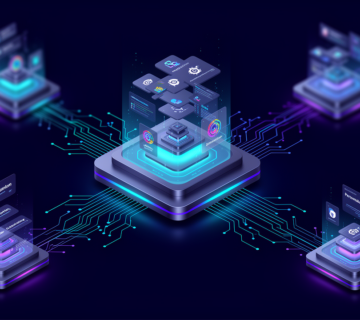


Quick Answer: Ecommerce cloud computing enables online retailers to operate on flexible, internet-based infrastructure instead of physical servers. It delivers scalability during traffic surges, cost savings through pay-as-you-go models, enhanced security, and improved performance—making it essential for competitive online retail in today’s market.
Why Your Online Store Needs Cloud Infrastructure (And Why Yesterday)
Remember the early 2000s when running an online store meant buying expensive servers, finding somewhere to house them, and praying they didn’t catch fire during a sale? Yeah, those days were about as fun as a root canal performed by a sleep-deprived raccoon.
The shift to ecommerce cloud computing changed everything. Instead of gambling thousands on hardware that might become obsolete before you finish setting it up, retailers now tap into vast networks of remote servers managed by specialists. It’s like going from owning a temperamental horse-drawn cart to having access to an entire fleet of self-driving vehicles that scale up when you need them.
This isn’t just about convenience—it’s strategic survival. When your competitor can spin up global infrastructure in minutes while you’re still on hold with a hardware vendor, the game’s already over.
What Ecommerce Cloud Computing Actually Means (Without the Buzzword Fog)
At its core, cloud computing for online retail means your store lives on servers you access via the internet rather than machines sitting in your office or a data center you own. Think of it as renting a sophisticated, scalable storefront instead of buying the entire building.
The Three Flavors of Cloud Commerce
The industry offers three main approaches, each with different trade-offs between control and convenience:
- Infrastructure as a Service (IaaS): You get raw computing power, storage, and networking. Maximum flexibility, but you’re responsible for everything running on top. It’s like renting an empty warehouse—you decide how to build it out.
- Platform as a Service (PaaS): The middle ground. You get infrastructure plus development tools and databases. Think of it as a warehouse with shelving and basic systems already installed.
- Software as a Service (SaaS): Fully built stores like Shopify. You just add products and customize the storefront. It’s a turnkey retail space—just flip the “Open” sign and start selling.
Each model serves different needs. A massive enterprise with specialized requirements might choose IaaS, while a boutique launching its first online presence often thrives with SaaS.
Five Strategic Advantages That Actually Matter to Your Bottom Line
Scalability That Doesn’t Require a Crystal Ball
Traditional infrastructure forced you to guess your maximum traffic six months in advance. Guess too low and your site crashes during Black Friday. Guess too high and you’ve wasted money on idle servers collecting digital dust.
Cloud platforms eliminate this guessing game. Resources flex automatically—expanding during your holiday rush and contracting during the slow February doldrums. You’re not paying for capacity you don’t need, and you’re never caught flat-footed when a product unexpectedly goes viral.
Cost Efficiency That Makes Your CFO Smile
Here’s the simple version: capital expenses transform into operational expenses. Instead of dropping significant upfront cash on hardware that depreciates faster than a new car, you pay for what you actually use each month.
The savings extend beyond hardware. Cloud providers handle maintenance, security updates, and infrastructure management—tasks that would otherwise require dedicated IT staff. For smaller retailers, this levels the playing field considerably.
Reliability That Keeps Revenue Flowing
Downtime is revenue suicide. Every minute your store is unreachable represents lost sales, frustrated customers, and damage to your brand reputation.
Cloud infrastructure builds redundancy into its DNA. If one server fails, traffic automatically routes to healthy ones. Data replicates across multiple locations, so a disaster at one facility doesn’t wipe out your business. Enterprise-grade providers maintain uptime that would be prohibitively expensive to achieve independently.
Learn more in Page Speed Optimization for Shopify: Why Speed Matters for CRO.
Performance That Converts Browsers into Buyers
Page load speed directly impacts conversion rates. Customers are ruthlessly impatient—a delay of even a few seconds sends them to your competitor.
Cloud platforms distribute your content across global networks, serving pages from locations geographically close to each customer. Someone in Tokyo gets content from Asian servers, while a New Yorker pulls from North American infrastructure. The result? Faster loads, happier customers, more completed purchases.
Security That Builds Customer Trust
Data breaches destroy businesses. Beyond immediate financial losses, the reputational damage can be terminal.
Major cloud providers invest billions in security measures that individual retailers could never afford. They employ teams of specialists, implement multiple layers of protection, and maintain compliance with international security standards. For more context on cloud security frameworks, check NIST’s cloud computing definition.
How the Giants Shaped Today’s Cloud Commerce Landscape
Amazon deserves special mention here—and not just because they’re kinda everywhere. The company’s journey illustrates how deeply intertwined ecommerce cloud computing has become.
Amazon built massive infrastructure to handle its own retail operations. Then someone had a lightbulb moment: “Hey, other companies need this stuff too.” Amazon Web Services (AWS) launched, essentially renting out the same systems that powered their retail empire. Today, AWS dominates the cloud market while Amazon.com dominates online retail. Two sides of the same coin, as industry observers like to say.
Microsoft Azure and Google Cloud Platform followed with their own enterprise-focused approaches. Meanwhile, platforms like Shopify democratized ecommerce hosting performance by offering fully managed solutions—no technical expertise required.
Common Myths That Trip Up Smart People
Myth: “Cloud Means Losing Control”
Reality is more nuanced. SaaS solutions do limit customization, but that’s often a feature, not a bug—fewer choices mean faster launches and less complexity. If control matters for your specific use case, IaaS provides nearly unlimited flexibility.
Myth: “Cloud Is Always Cheaper”
For most businesses, yes. But massive enterprises with highly optimized operations might find dedicated infrastructure more economical. The break-even point depends on scale, usage patterns, and technical expertise.
Myth: “Migration Is Impossibly Complex”
It’s definitely a project, not a weekend task. But modern tools and experienced partners make transitions manageable. Many businesses migrate incrementally, moving one system at a time rather than attempting a risky “big bang” cutover.
Real-World Applications Across Different Business Models
Cloud infrastructure supports everything from solo entrepreneurs dropshipping phone cases to Fortune 500 companies managing global supply chains.
B2C Retail: Speed and Simplicity
Consumer-focused stores prioritize fast page loads, mobile optimization, and seamless checkout experiences. SaaS platforms excel here, handling technical complexities so merchants can focus on products and marketing.
Seasonal businesses particularly benefit from elastic scaling. A Halloween costume shop doesn’t need January-level infrastructure in July. Cloud pricing aligns costs with the natural business rhythm.
B2B Commerce: Complexity and Integration
Business-to-business operations face different challenges. They need complex pricing structures (volume discounts, contract-specific rates), integration with ERP systems, and support for longer sales cycles involving multiple decision-makers.
Specialized platforms like OroCommerce address these requirements with cloud-based solutions designed specifically for B2B workflows. The underlying infrastructure still provides standard cloud benefits—scalability, reliability, security—but the application layer understands B2B nuances.
Learn more in Email Marketing Automation for Ecommerce: A Beginner Guide for Fashion Stores.
Choosing the Right Cloud Provider for Your Ecommerce Needs
The major players each bring different strengths:
- Amazon Web Services: Market leader with deep ecommerce expertise and the broadest service catalog. Great for businesses that might need specialized tools down the road.
- Microsoft Azure: Strong enterprise integration, particularly for businesses already using Microsoft products. Excellent hybrid cloud capabilities.
- Google Cloud Platform: Superior data analytics and machine learning tools. Ideal if personalization and customer insights are strategic priorities.
- Shopify: Best turnkey solution for small to medium retailers who want to launch quickly without technical headaches.
The right choice depends on your current technical capabilities, budget, growth trajectory, and strategic priorities. There’s no universal “best” option—only the best fit for your specific situation.
Emerging Trends Shaping Tomorrow’s Cloud Commerce
Let’s pause for a sec and look at where this is all heading. The cloud-commerce relationship isn’t static—it’s evolving rapidly as new capabilities emerge.
AI and Machine Learning Integration
Cloud platforms increasingly embed artificial intelligence capabilities directly into their infrastructure. Personalized product recommendations, dynamic pricing, inventory forecasting, and chatbot customer service all rely on machine learning models that would be impractical to run on local infrastructure.
The barrier to entry keeps dropping. Tools that required data science PhDs five years ago now come as point-and-click features in cloud platforms.
Multi-Cloud and Hybrid Strategies
Sophisticated businesses are moving beyond single-provider approaches. They might use AWS for core infrastructure, Google Cloud for analytics, and maintain some on-premise systems for specific compliance requirements.
This complexity introduces new challenges—managing multiple vendors, ensuring systems communicate properly, and avoiding unexpected data transfer costs. But it also reduces vendor lock-in and lets businesses cherry-pick each provider’s strengths.
Edge Computing for Ultra-Low Latency
As augmented reality shopping experiences and real-time personalization become standard expectations, processing needs to happen closer to customers. Edge computing pushes computation to the network’s “edges”—tiny data centers distributed everywhere rather than centralized mega-facilities.
For ecommerce, this means even faster page loads and the ability to deliver experiences that wouldn’t be possible with traditional cloud architectures.
Strategic Implementation: Getting from Here to There
Knowing cloud benefits and actually capturing them are different things. Here’s a practical framework for thinking through implementation:
Step 1: Honest Assessment
What problems are you actually trying to solve? Slow page loads? Crashes during sales? Difficulty launching new markets? Security concerns? Your specific pain points should drive technology choices, not the other way around.
Step 2: Right-Size Your Approach
A bootstrap startup and an established retailer doing millions annually need different solutions. Start with platforms that match your current scale, ensuring they can grow with you but don’t require capabilities you won’t use for years.
Step 3: Plan the Transition
If you’re migrating from existing infrastructure, map out the journey carefully. Which systems move first? What’s your rollback plan if something breaks? How will you test before going live?
Experienced providers and consultants are worth their fees here—they’ve seen every possible migration scenario and can help you avoid expensive mistakes.
Conclusion: The Future Is Already Here (And It’s Hosted Remotely)
The convergence of ecommerce and cloud computing isn’t a temporary trend—it’s a fundamental restructuring of how online retail operates. Businesses that embrace cloud infrastructure gain flexibility, efficiency, and capabilities that simply weren’t accessible a decade ago.
The barrier to launching sophisticated online stores has never been lower. But that democratization also means competition has never been fiercer. The stores that thrive won’t just be using cloud infrastructure—they’ll be leveraging it strategically to deliver experiences competitors can’t match.
Whether you’re running a side hustle or managing a multinational retail operation, the question isn’t whether cloud makes sense. It’s which cloud approach best serves your specific situation, and how quickly you can capture the competitive advantages it offers.
What’s Next?
Now that you understand how cloud infrastructure powers modern ecommerce, the logical next step is exploring how to optimize that infrastructure for conversions. Site performance directly impacts revenue—faster sites convert better, period.
Frequently Asked Questions
What is ecommerce cloud computing?
Ecommerce cloud computing refers to online retail operations running on internet-based infrastructure rather than physical servers owned by the merchant. It provides scalable, flexible resources that adapt to changing business needs.
How much does cloud hosting cost for an online store?
Costs vary dramatically based on traffic, storage needs, and service type. SaaS platforms like Shopify start around $29 monthly, while custom enterprise solutions can run thousands per month depending on scale.
Is cloud infrastructure secure enough for handling customer payment data?
Major cloud providers implement security measures exceeding what most individual businesses could afford, including encryption, compliance certifications, and dedicated security teams. Properly configured cloud infrastructure is generally more secure than self-hosted alternatives.
Can I migrate my existing store to the cloud without downtime?
With proper planning, yes. Most migrations use staged approaches—setting up the new environment, syncing data, and switching DNS once everything’s tested and ready.
What’s the difference between cloud hosting and traditional web hosting?
Traditional hosting typically means your site lives on a specific physical server, while cloud hosting distributes resources across multiple servers. Cloud provides better scalability, reliability, and performance but may be more complex to manage.